

Student Partnership Program
Advancing next-generation marine research through meaningful partnerships.
Program Overview
Coastal Aware Alliance's Student Partnership Program supports marine research led by undergraduate, graduate, and doctoral students, as well as early-career professionals. The program brings together developing research projects and opportunities for meaningful collaboration, helping researchers advance their work through partnerships tailored to their projects.
Our approach emphasizes active involvement, shared expertise, and practical contributions that support project objectives and help produce meaningful, usable outcomes. Each partnership is shaped around the researcher's goals, the needs of the project, and opportunities for CAA to contribute value beyond financial support.
Research Opportunities
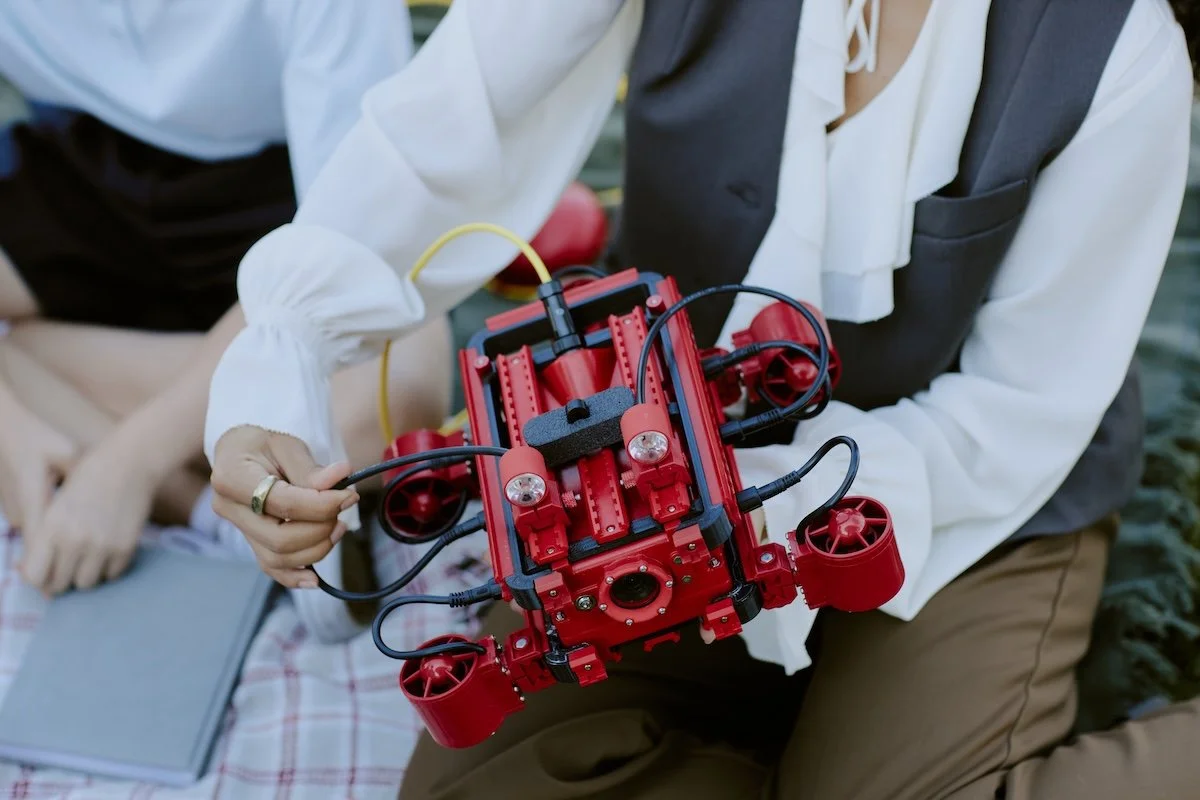
We welcome marine research projects and developing ideas across a broad range of scientific disciplines and areas of ocean study. Opportunities may include academic research such as capstones, theses, and dissertations, as well as independent research initiatives led by early-career professionals.
Whether a project is in its early planning stages or already underway, we're interested in understanding the research questions being explored, the objectives behind the work, and the opportunities where collaboration could help move it forward. We recognize that promising research doesn't always begin with a fully developed plan, and we're open to exploring ideas where a partnership could help shape the path ahead.
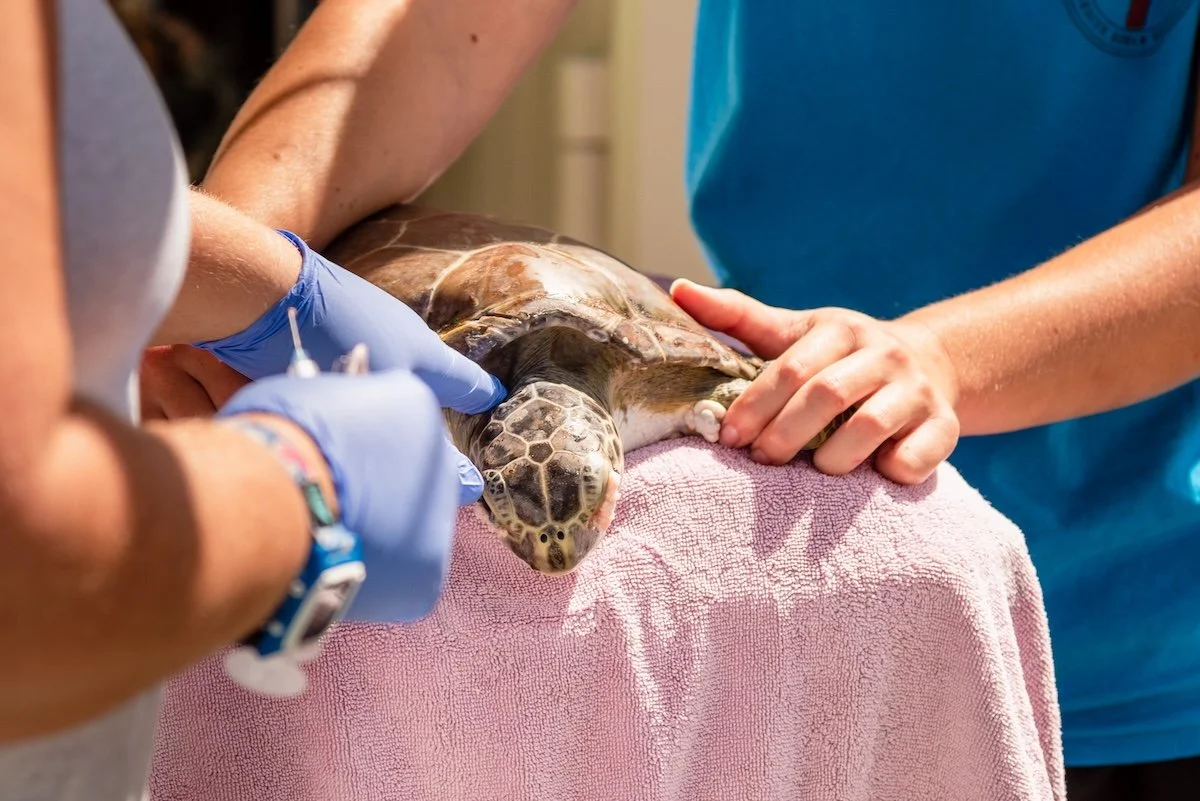
Working Together
Every research project presents different opportunities for collaboration. At Coastal Aware Alliance, we work with students and early-career professionals to explore how our resources, expertise, and active participation can contribute to their research goals.
Our partnerships can bring together two complementary forms of involvement: contributions that help advance the research itself, and efforts that help communicate the work and its outcomes to broader audiences.
Supporting the Research
Through project planning, field participation, underwater photography and videography, technical expertise, and operational coordination, we can contribute directly to the activities that help research projects move forward. Our involvement is shaped by the project's needs and opportunities to add meaningful value.
Sharing the Research
Through original storytelling, visual documentation, researcher interviews, digital media, and outreach, we can help communicate the people, discoveries, and outcomes behind marine research. These efforts can bring greater visibility to the research while recognizing the contributions of the researchers and others involved.
What Makes a Strong Partnership?
Successful partnerships are built on shared objectives, open communication, and a mutual commitment to advancing the research.
We look for researchers who are willing to work collaboratively, maintain communication as their projects progress, and involve CAA in appropriate discussions about project activities, challenges, and outcomes.
We also value opportunities to document and share the research through photography, storytelling, and outreach, with appropriate recognition of everyone involved. The specific contributions, expectations, and arrangements are established together as the partnership develops.
Let's Explore a Partnership
Have a marine research idea or project you'd like to explore with Coastal Aware Alliance? We'd welcome the opportunity to learn more about your interests, discuss your goals, and discover where working together could make a meaningful difference.
Share a little about your research and what you hope to accomplish using the form below. This is simply a starting point for a conversation about potential collaboration.